Hola, welcome back guys. So I know it was all about the men these past few weeks BUT today, we are back for the females! Woo hoo!
How many of you have been struggling to go back natural? How often do you look at yourselves without those bomb lace wigs and laugh or frown (smh) because your natural hair doesn’t look as good? I know sometimes you just want to forget the relaxers and sport your natural crown but you just can’t seem to make it work. Well, let me give you some tips on how to make that head of hair glow, look and feel like you always wanted it to.
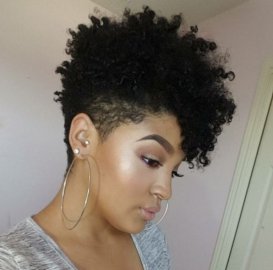
Before we get into the tips though, I just have to say, this topic of making the transition from relaxed to natural hair came to me a week ago when a colleague of mine complained about the struggle of going natural. She was somewhat annoyed by the fact her hairdresser was unavailable and she now has to temporarily wear her hair in its natural state, no braids or wigs, for all to see. She said it was “hard to manage” and she just could not get it to “hold oil” when she tried to moisturize it.
To me it actually looked fine because she had parted her hair in half, made two puffs, added gel to the ends and it appeared curly, just like you know the regular, cute puff balls.


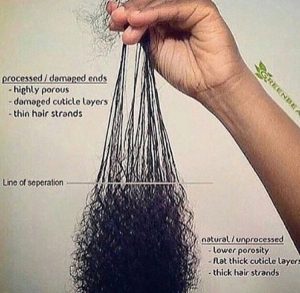
She didn’t really like her hair in that state and I could understand that. Why? Because beyond its cute appearance her hair is damaged and not receiving the proper treatment it should be in this state of transition.
One important thing she pointed out was that it was not absorbing the oils she was trying to feed it. Let’s stop right there! It is imperative that we know that hair does not FULLY absorb oils especially sealing oils. Even more so, after using relaxing products for years which have dried out the hair and stripped layers from each strand of hair. Oils can and do moisturize hair but it is not completely absorbed into the strands. It coats it and adds strength and shine. So when we are shopping for hair oils it is essential that we know which ones are for moisturizing and which are for sealing in moisture. We also need to know which ones are best for our hair because no two heads are the same.

To decide which oils to use, we must consider the porosity of our hair. Porosity simply refers to how your hair absorbs moisture; low porosity means your hair doesn’t absorb moisture well and high porosity means the absolute opposite, it easily absorbs moisture. Essence tells us how we can find out what our porosity is.
I believe my friend has low porosity hair and she was probably using a sealing oil such as castor or grapeseed oil instead of a moisturizing or penetrating oil which is what she really needed. Transitioning hair tends to be dry and brittle and sealing in dryness obviously won’t make it any better. So I suggested she use the LOC method to get the moisture her hair was lacking. Water is just as quenching to hair as it is to our body so using water based, liquid products and then sealing them in with oils is just what anyone with dry, low porosity hair needs , especially someone who is transitioning from relaxed to natural hair.
If you are transitioning and you finding it difficult, these tips will definitely make the process smoother;
⇒The first step should be to do your research. In your case, you’re here so you’ve already started. You should also seek out a hairstylist in your area who can help you transition easily.
⇒Categorize your hair. You probably didn’t know your hair type before you started relaxing it years ago but now that you’re planning this big move, knowing your type will be in your best interest so that you know what products are to be used. See my previous post to know your hair type.
⇒Consider the Big Chop.
If you think starting fresh is for you, go for it! Who knows, your pixie or bob cut may just be the best anyone has ever seen.
⇒Trim your ends. Trimming makes room for new growth and removes the split ends of previous years damage. Your hair will also benefit from less breakage and have a fuller, healthier look
⇒BE Patient. Joy comes in the morning, but not the morning right after you made the decision (lol). It usually takes 6-8 months for full transition. Trust the process, your hair is now like a plant, with great care and attention, you’ll be proud of the bloom you have cultivated.
⇒Try new styles. Protective styles are so cute and effective. They are great for you at this point and they are fun. You can wear wigs in between rocking your natural crown or you may wear funky headwraps, colorful braids, bantu knots, buns and puffs, find more in my previous post. Make sure to choose a style which works well with your type and you will look great!
⇒MOISTURIZE. I know, I know, that is probably my favorite word according to previous posts, but it is the holy grail to having healthy hair. Dry hair is not healthy no matter if it is relaxed or natural.
⇒Create a routine. Sticking to a game plan will help your hair adjust much easier to its new state.
⇒Say no to heat. Keep styling with heat to a bare minimum but, if you have to use heat for drying or curling, ensure that you use use heat protectants always.
⇒Get the good stuff. I know you bought the best relaxers and softening products before so it won’t be hard to get your hands on the best products for your ‘new’ hair.
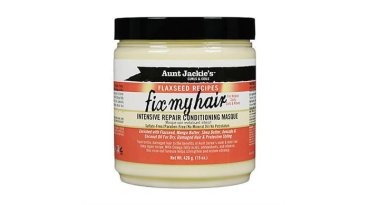
Transitioning creams and masques, sulfate-free shampoos and conditioners and hydrating moisturizers should now be your best friends. I promise, you and your hair will love them.
⇒Be gentle. No need to be mean to your scalp, just the way you care for your face delicately, give your hair the same treatment.
⇒Keep your hair clean. Nothing good comes from a dirty foundation. A clean scalp yields healthy hair.
⇒Deep condition. Show your extra love during transition. Bi-weekly deep conditioning treats your hair to a relaxing time set apart just for that royal treatment.
⇒Protect your edges. Oh girl, protect those edges like your hair depends on it, because IT DOES.  Your edges are thinner and weaker at this point and much more easier to break so please be kind to your temples. Excessive styling or pulling on your edges is unnecessary and will probably leave you with bald spots. We don’t need that I am sure.
⇒Detangle hair when wet. Your hair is much more manageable when it is wet and conditioned. Detangling dry hair creates friction and causes breakage. So ensure your hair is either soaking wet or damp before you comb or brush out knots.
So that it’s ladies. Now that you know how to go natural smoothly, no dry hair for you!
I’ll see you next post!
 Manes and Crowns